
We build both fences every week, so we don’t have a horse in this race — just opinions earned in post holes. Here’s the straight pipe fence vs chain link comparison for North Texas properties, and a simple rule for choosing.
Pipe Fence vs Chain Link: The One-Sentence Answer
Livestock and looks: pipe. Security and budget: chain link. Everything below is detail on that sentence.
Cost
Chain link wins on day one: figure $15–$30 per foot installed for residential and commercial heights, versus $12–$30 per foot for pipe depending on rail count — but note that pipe pricing assumes longer ranch runs; short residential pipe jobs price higher per foot. For a quarter-mile of pasture line, the two often land surprisingly close.
Lifespan
Both are steel, so both are decades-long fences when installed right. Galvanized chain link fabric gives you 25–30 years; a welded, painted pipe fence goes 40+ and shrugs off impacts that would flatten fabric. Around livestock or equipment, pipe’s rigidity is the difference.
Livestock
This one isn’t close. Cattle lean, scratch and push; horses test everything and hurt themselves on whatever can hurt them. Welded pipe with smooth rails is the standard for a reason — chain link belongs around the yard and garden, not the pasture. (For horses, we add cable or mesh between pipe rails where foals are involved.)
Security
Chain link takes it for pure perimeter security: continuous fabric is hard to pass without cutting (which shows), it accepts barbed wire on top, and it goes tall economically — 8 to 12 feet where needed. Pipe fence marks a boundary and stops vehicles, but a person steps through the rails. For commercial yards, chain link with barbed wire remains the value king.
Appearance
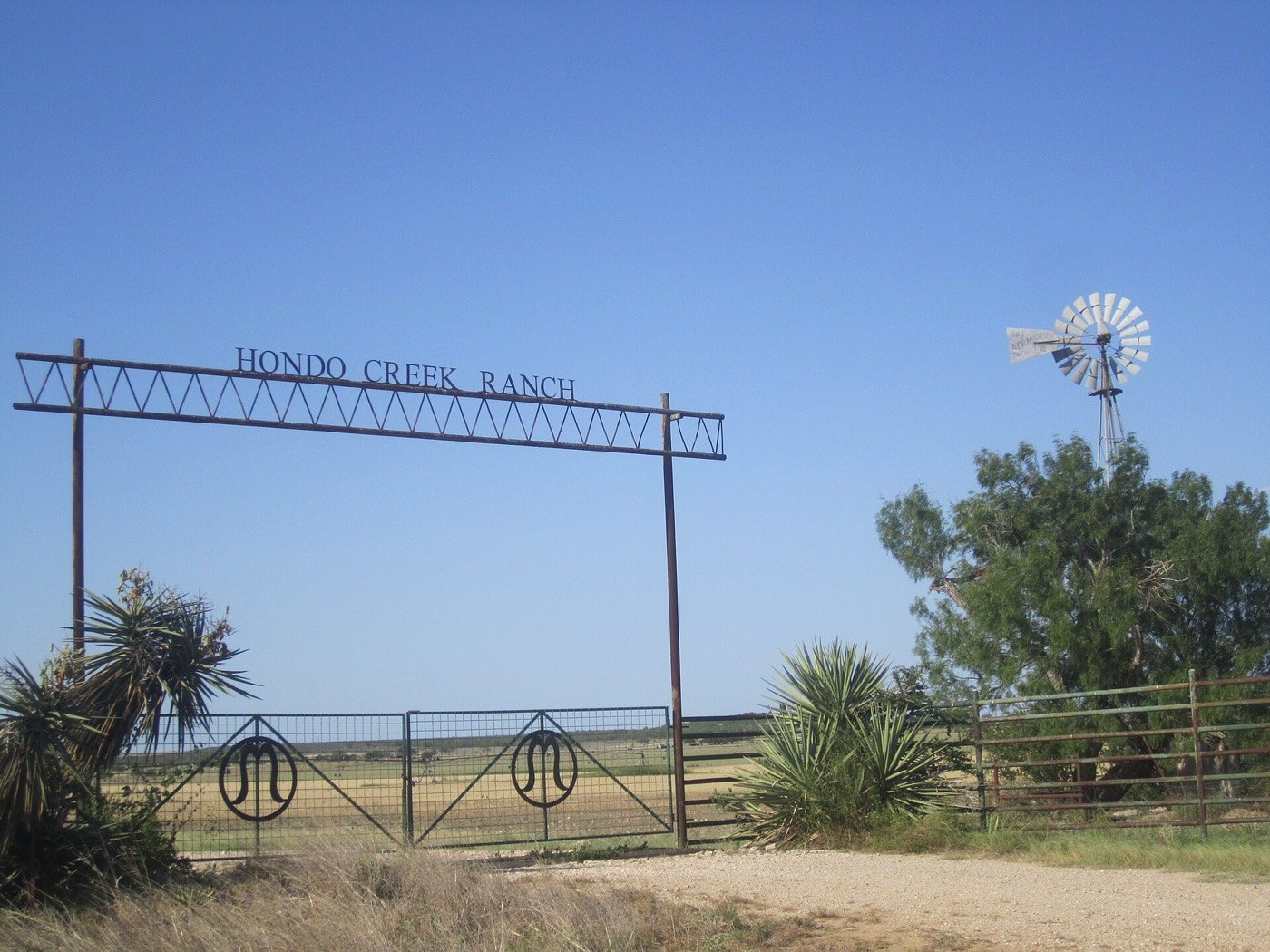
Pipe fence looks like Texas — clean rails at the road frame a property the way chain link never will. It’s why the ranch entrance photo on every real estate listing shows pipe, not fabric. If curb appeal is on the list, pipe (or ornamental iron in town) is your answer.
Maintenance
Chain link: essentially zero until the fabric ages out. Pipe: repaint every 10–15 years if you want it looking sharp (bare used pipe skips even that). Both beat wood by a country mile — no rot, no warp, no board replacement every spring.
The Hybrid Most Properties Actually Choose
On acreage we build a lot of combination fences: pipe across the road frontage and entrance where it shows, chain link or wire on the back lines where it works. You get the look where it counts and the budget where it doesn’t.
Walk the Line With Us
The right answer depends on your stock, your soil and your frontage. We’ll walk the property, talk through options and quote both — free. Call (817) 901-1996 or request an estimate.